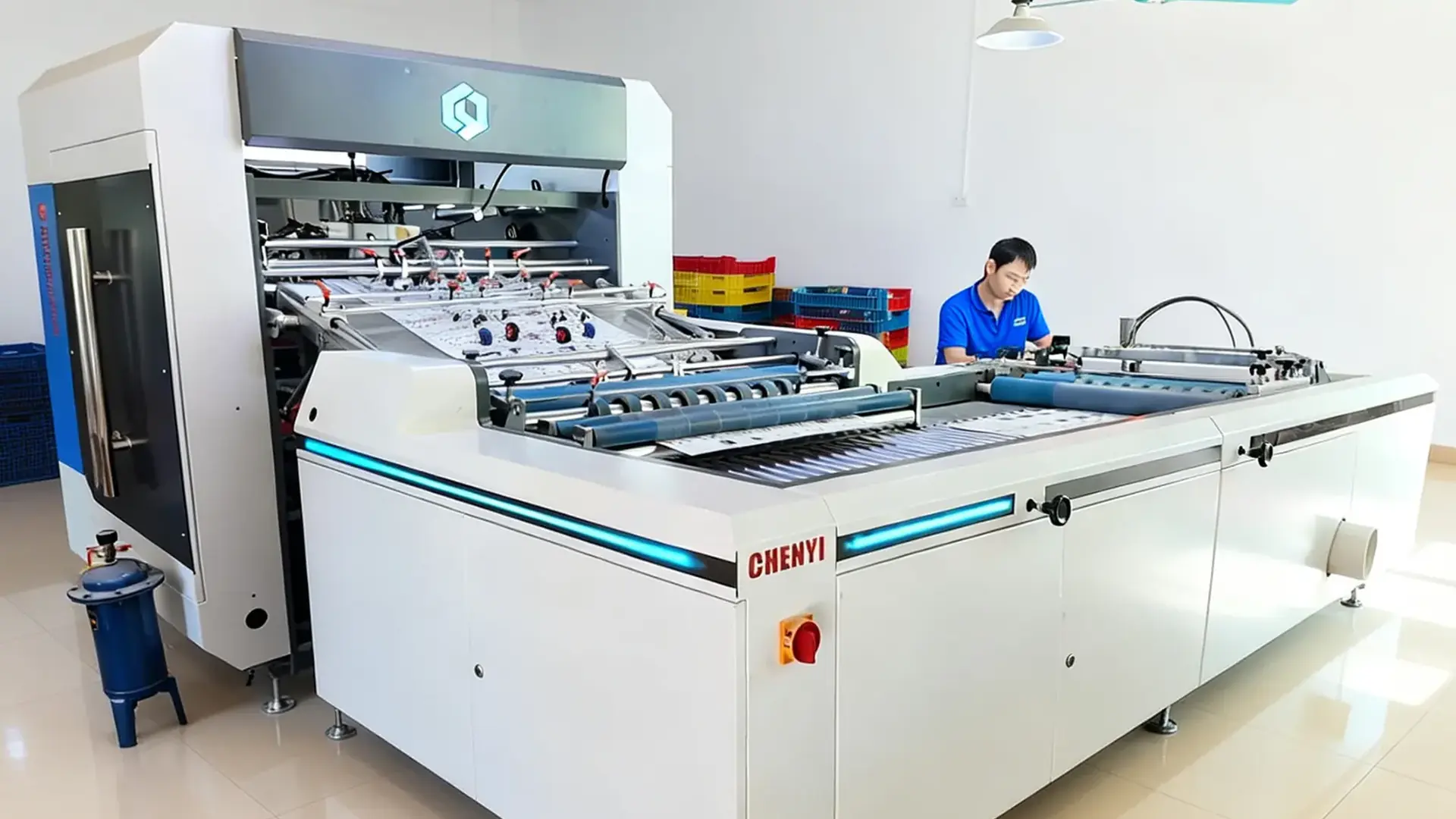
Lamination decides how a deck slides, feels and ages; foil, spot UV and embossing decide how it looks on a shelf. We apply both in-house, which means the finish you approve on a sample is the finish that runs on the press.
These are the finishes your fingers meet first. They also determine how long the print survives handling.
Low-glare, paper-like surface with a firm grip. The default for tarot, oracle and premium retail decks.
Higher contrast and colour saturation, brighter under display lighting, slightly more prone to fingerprints.
A velvety, rubberised hand that makes a deck feel expensive. Popular for collector and gift editions.
A fine woven pattern pressed into the film. Hides light scratches and gives a traditional card-room look.
Micro-domed texture that traps air between cards so they glide and separate cleanly for shuffling.
A thinner, more recyclable coating for clients who need a plastic-free deck, with less abrasion resistance than film.
Decorative passes are applied after lamination or on the box wrap, so the effect sits on top of the print instead of inside it.
Hot-foil stamping for logos, borders and card titles. Holographic and coloured foils are also available.
Glossy raised varnish over a matte base — the standard way to make a title or logo catch the light.
Raised or recessed areas on cards and box lids, often combined with foil for a tactile brand mark.
Gold, silver, black or coloured edge gilding on the deck block. A signature finish for tarot and collector sets.
Printed artwork on the deck edge, so the closed block shows a pattern or brand colour.
Sand, leather or canvas effects for TCG rarity tiers and premium packaging surfaces.
These are the combinations we produce most often. Any mix is possible — the constraint is usually how the deck will be handled, not the machine.
These are the details we raise before printing, because fixing them afterwards means re-running the job.
Large foil areas on a card back scuff with daily shuffling. Keep foil to the face or the box if the deck is played with.
Linen and sand textures soften fine type. Keep small text off textured areas or increase the weight.
Gilded blocks are pressed and dried before packing, so they are scheduled earlier in the run rather than added at the end.
The sample kit includes matte, gloss, linen and air-cushion films, gold and silver foil, spot UV and an embossed panel.