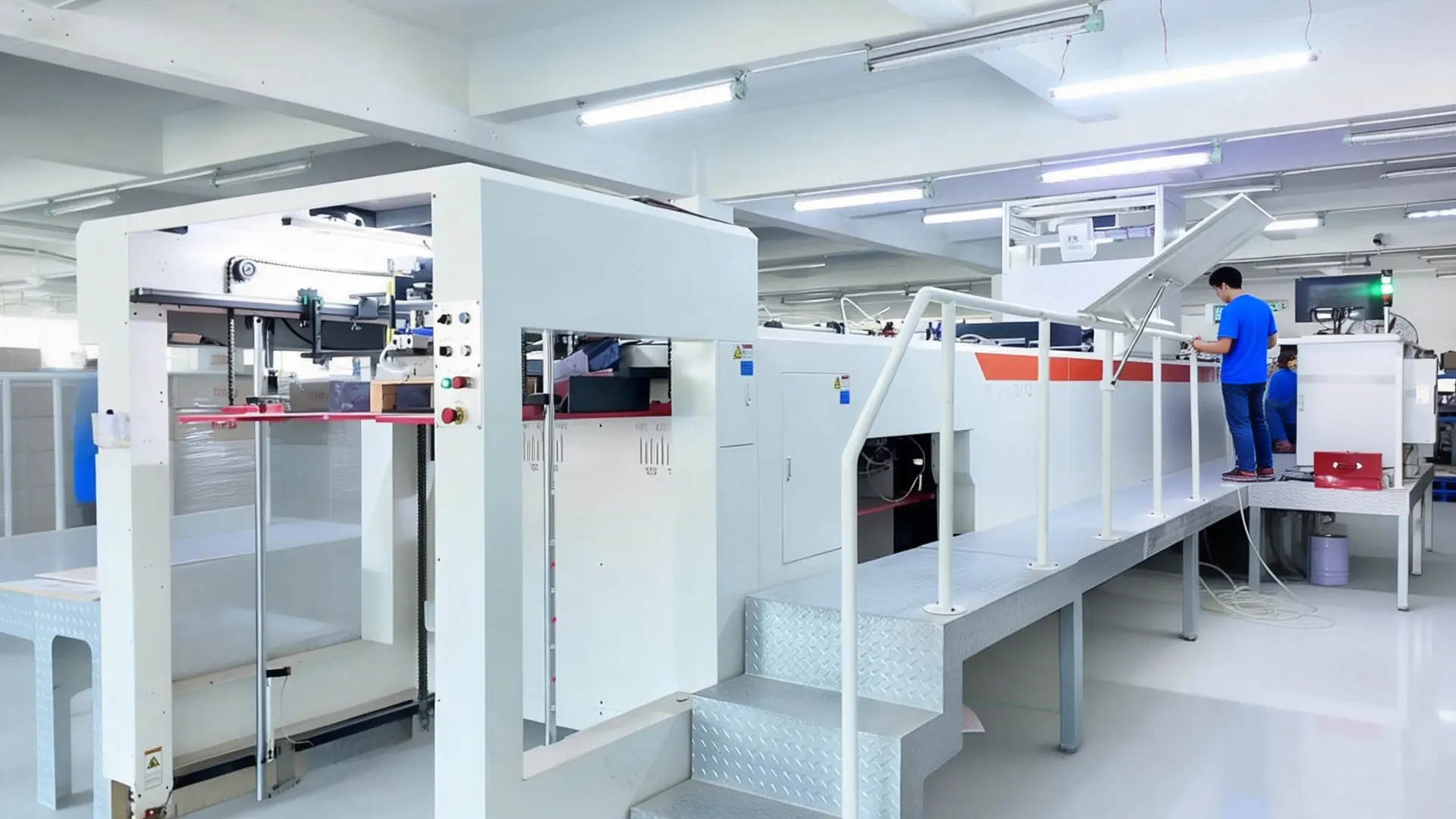
From a 500-deck crowdfunding run to a 200,000-deck retail programme, the work starts in the same place: a physical sample you can approve. Below are the project types we handle and the five ways we sample them.
Publishers, game studios, spiritual brands, agencies and distributors — the deck differs, the production logic does not.
Base sets, chase rarities, foil and holographic treatments, reprint runs that must match the first edition.
Card counts from 40 to 400, tokens, insert trays and boxes designed around your rulebook.
78-card or custom spreads, gilded edges, guidebooks in multiple languages and rigid magnetic boxes.
Casino, promotional, corporate gifting and premium retail decks with custom backs and tuck boxes.
Ring-bound sets, boxed decks, rounded corners and child-safe coatings for classroom or home use.
Rigid boxes, tuck boxes, tin and wooden cases, rulebooks and guidebooks printed alongside the deck.
Choose the sample that answers the question you actually have — colour, feel, gameplay or retail presentation.
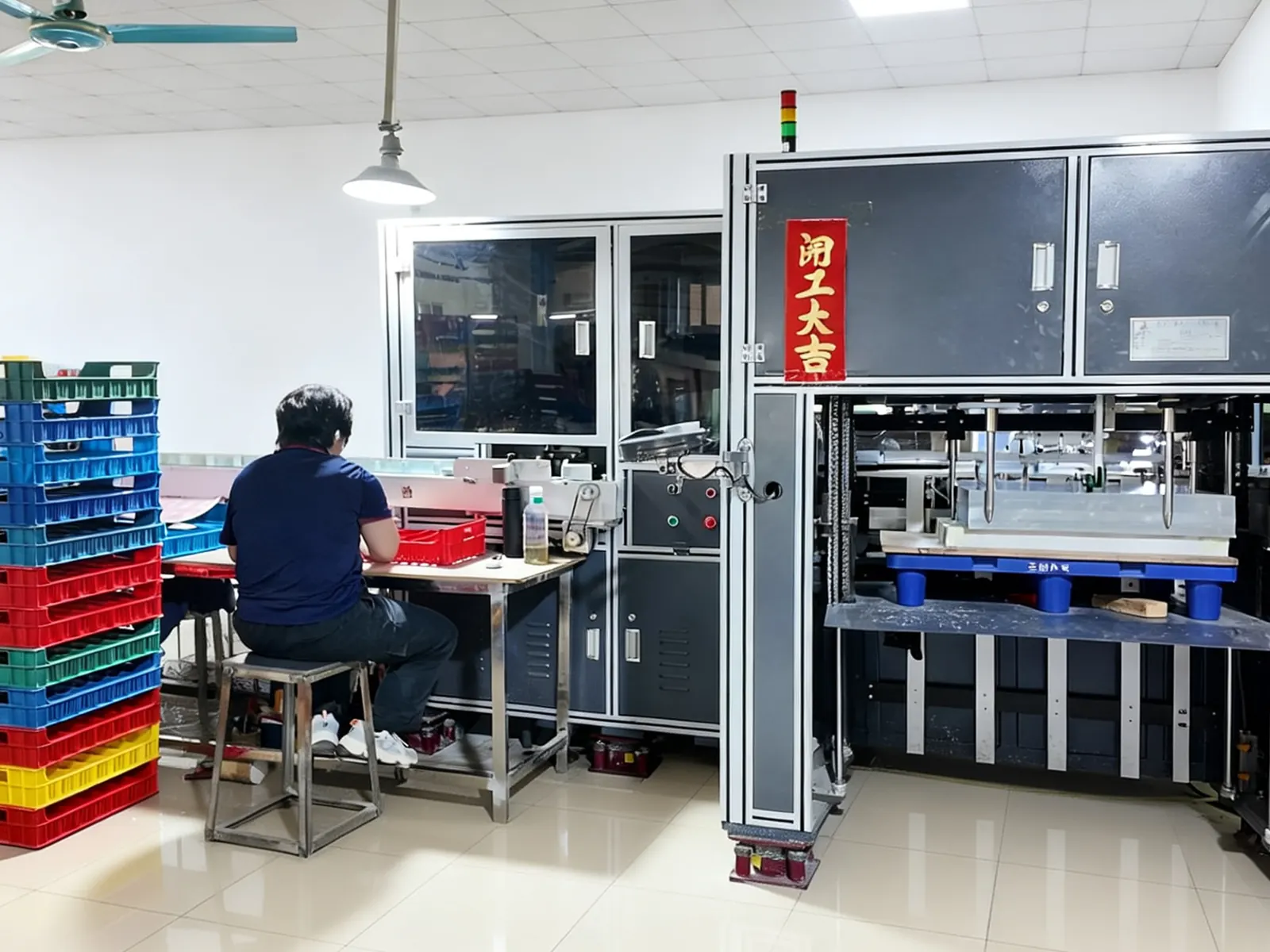
Buyers usually need two things in a row: confidence in the supplier, then confidence in the deck. Send a kit first if the material is still open; go straight to a custom sample once the specification is fixed.
A sample approval is a written sign-off on six points. Confirming them once is cheaper than discovering a difference after 20,000 decks are packed.
Compare against your Pantone reference or brand guide, not against a backlit screen.
Thickness, stiffness and the sound of the shuffle — black core and blue core feel different.
Matte, gloss, linen, air-cushion or soft-touch, and whether the slide suits handling.
Card size, corner radius and how well the front and back align under the light.
Fit of the deck in the box, tray depth, and whether a booklet fits as planned.
Shrink wrap, carton quantity and labelling — the details your warehouse will notice.
Send your project stage and target date — we will tell you the fastest route to a decision.