
Choosing a manufacturer for a trading card or TCG set is a production decision, not only a price comparison. The right factory controls colour consistency across print runs, protects your release date, and can scale from a 500-deck test to a retail print run without changing presses.
1. Check that the factory prints in-house
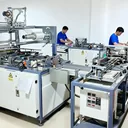
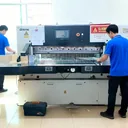
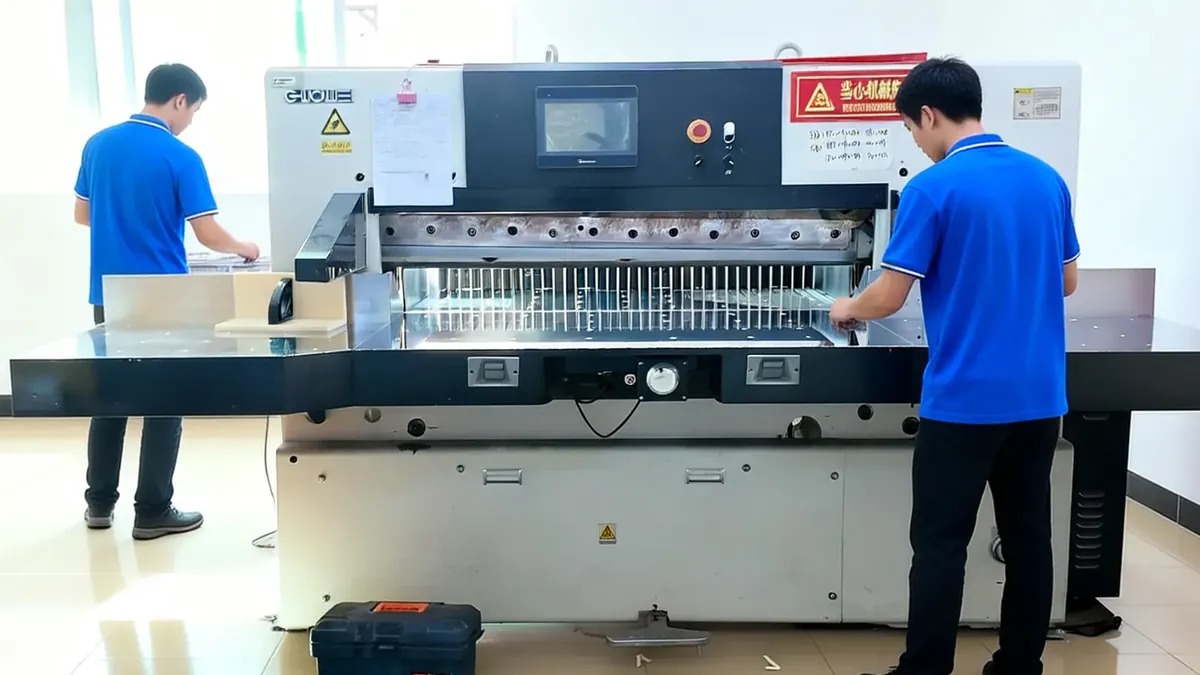
Ask which press will run your job and whether the factory owns it. At SGallocards, mass production and press proofs run on our Heidelberg XL105 (2011, 4+1 with inline coater) in Guangzhou; digital proofs are produced separately for speed. A trading card supplier that outsources printing cannot control colour or schedule.
2. Confirm card stock and finish before pricing
Trading cards are usually printed on 300–350gsm black core or blue core board with a matte or soft-touch laminate. Finishing changes both feel and cost: foil stamping, spot UV, embossing and gilded edges all add passes. Ask for a physical sample of the exact stock and finish, not a generic swatch.
3. Compare MOQ, sampling and lead time honestly
Our standard MOQ is 500 decks. However, if your order is under 500 decks, our sales team will work with you to find the most cost-effective option. Samples take 5–7 days once artwork and specifications are confirmed; mass production takes 15–20 days. Any supplier quoting a shorter window without a confirmed spec sheet is guessing.
4. Verify compliance for your market
EU and US buyers increasingly ask for EN71, CE and CPSIA documentation, and brand owners often require a social-compliance audit. SGallocards holds ISO 9001, ISO 14001, ISO 45001, FSC and EN71/CE certification.
5. Ask for references you can check
Request recent projects in your category and, where permitted, client references. Our export markets cover Europe, North America, Asia and Oceania, and we can share production photos and inspection records for comparable decks.
A five-minute checklist — press ownership, stock, finishing, MOQ, sampling, compliance and references — will separate a card manufacturer from a trading company.